Are you thinking about rewriting your entire website into plain text just to please AI bots?
In early 2026, a strange trend took over the SEO world. People started creating Markdown copies of their web pages. They did this using tools like llms.txt files. The goal was to make sites easier for AI search engines and Large Language Models (LLMs) to read.
But is this actually a good idea?
Google and other search experts are sounding the alarm. They say duplicating your HTML pages as Markdown is a waste of time. In fact, it could harm your website.
The Rise of the AI Markdown Trend
This trend did not start in a vacuum. In February 2026, Cloudflare announced a new feature called "Markdown for Agents". This tool automatically generates Markdown files from HTML pages. Cloudflare claimed it would save LLM token consumption. They also stated that OpenAI's OAI-SearchBot was actively consuming these Markdown pages.
However, OpenAI's official documentation does not actually recommend this approach. Their crawler is designed to read standard web pages. It does not require a special Markdown version.
Still, many search marketers rushed to adopt the tactic. SEO professionals often jump on new trends. If one agency does it, others feel they must follow. This led to websites hosting two versions of the exact same content. One version was standard HTML for humans. The other was a stripped-down Markdown file for AI bots.
Why Markdown for AI SEO Is a Mistake
Creating a separate version of your site for AI is not just unnecessary. It is also bad engineering.
In early July 2026, Google weighed in officially on the trend. UX researcher Stephanie Walter had already posted on Bluesky about it. She lamented that developers were ignoring real people to please AI:
"Sad truth: we are making the web accessible for AIs, not for people.Some sites now offer a text version for LLMs, but still skip real accessibility needs like proper heading structure, landmarks that screen reader users need."
Google's search analyst, John Mueller, agreed with her. He replied directly to her post with a clear warning:
"A properly made website works well for AI agents … and search engines, and LLMs, and above all, for actual people.If you’re trying to fix accessibility issues by making a separate “agent-friendly” version, you are just building technical debt. You’ll have to redo it multiple times. Just fix it."
For business owners, technical debt is a serious issue. It means you are building a system that is hard to maintain. You will have to update two versions of your site every time you make a change. If you do not, your content will quickly go out of sync. This leads to broken links and outdated information.
Stripping Away Critical Context
Why do search engines dislike Markdown files so much? The answer lies in how search engines discover and understand your pages.
In a June 2026 episode of Google's Search Off the Record podcast, John Mueller and Martin Splitt addressed this topic. They explained that Markdown versions strip away the exact signals search engines need. When you convert HTML to Markdown, you remove the page layout, the header navigation, and the internal links.
Martin Splitt also warned that stripping pages down to plain Markdown removes key structure. He stated:
"And Markdown doesn't support layouts directly. So you would have to have some sort of mechanism to… You're basically recreating the browser. You're recreating HTML parsing in the end. So might as well use HTML parsing because as you say, that has been around, that has been tried and tested for decades at this point."
Without standard HTML elements, search bots cannot easily find other pages on your site. You lose the internal link structure that helps you rank on Google. You also lose the context of where a page fits into your overall website.
The Threat of Search Penalties
There is another major risk to this trend. It could get your website penalized.
In February 2026, Bing's principal program manager, Fabrice Canel, issued a warning. He stated that duplicating your HTML pages as Markdown for AI crawlers constitutes cloaking. Cloaking is a violation of search engine guidelines. It happens when you show different content to search engines than you do to real users. If search engines decide you are cloaking, they may remove your site from search results entirely.
John Mueller has been even more blunt about this tactic. In February 2026, he posted a sarcastic comment on Bluesky:
"Converting pages to markdown is such a stupid idea. Did you know LLMs can read images? WHY NOT TURN YOUR WHOLE SITE INTO AN IMAGE?"
If Google and Bing are both warning against a tactic, you should listen. The risks far outweigh any potential benefits.
Build for Humans First
How should you prepare your website for AI search? The answer is simple. Build a great website for humans.
If your site is accessible to a human using a screen reader, it is accessible to an AI bot. You do not need a secondary text version. Instead, focus on clean HTML. Use proper heading tags. Write clear alt text for your images. Ensure your site loads quickly and works well on mobile devices.
These are the same practices that have driven SEO success for decades. AI bots do not need special treatment. They are designed to crawl the web just like humans browse it.
Save your budget. Do not waste money on building Markdown duplicates. Focus on making your main website as strong as possible. Your users and your search rankings will thank you.
Related Articles
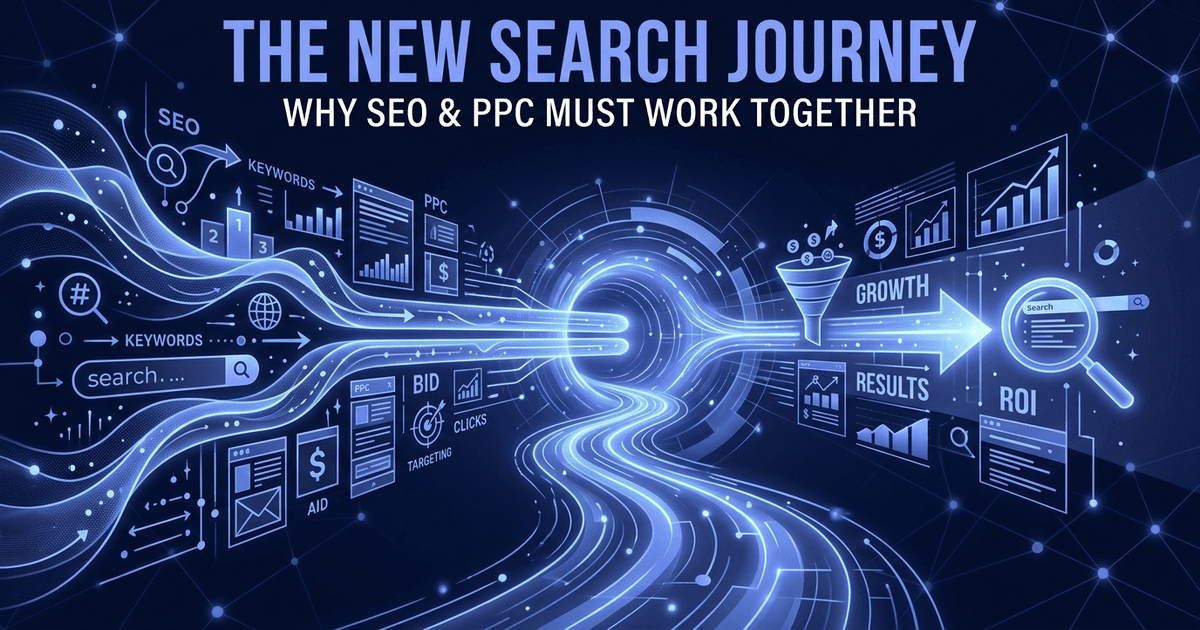
The New Search Journey: Why SEO and PPC Must Work Together
The traditional path from search to purchase is gone. Discover how AI answers, paid ads, and organic results now form a loop, and how you should adapt your marketing strategy.

AI Shopping SEO: How to Make Sure Machines Recommend Your Products
AI systems cannot recommend products they do not understand. Learn how to optimize your brand knowledge infrastructure so machines can find and trust your data.
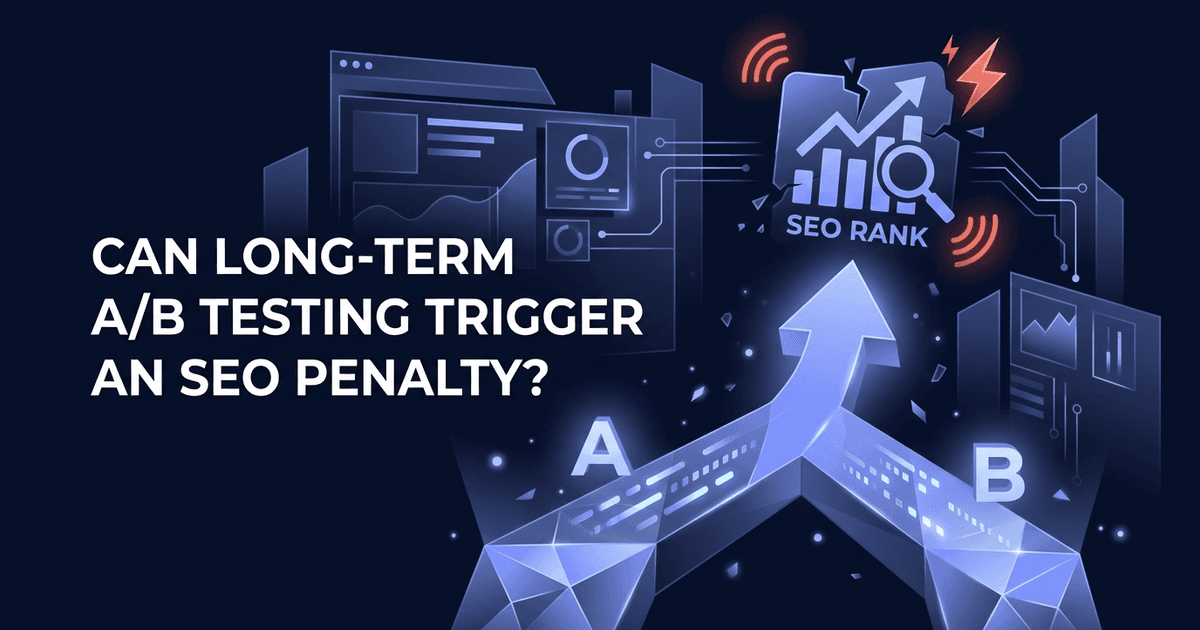
Can Long-Term A/B Testing Trigger an SEO Penalty?
Google's John Mueller recently cleared up a major contradiction about running long-term A/B tests. Here is what business owners and marketers need to know about testing without losing search rankings.
Ready to Start Your Project?
Let's build something amazing together. Get in touch to discuss your next digital project.
Get in Touch